
Fly Fishing Pacific Northwest: The Rivers, Seasons, and Opportunities
Fly fishing in the Pacific Northwest offers a unique mix of wild rivers, migratory fish, and constantly changing conditions. For anglers looking to experience some of the most dynamic fishing in the country, this region delivers year-round opportunities across a variety of species and river systems.
At the center of it all is the Olympic Peninsula—a destination known for its remote landscapes, abundant water, and diverse fisheries.
Whether you're planning your first trip or returning to explore new water, understanding how this region fishes throughout the year is key to success.
What Sets Pacific Northwest Fly Fishing Apart
Fly fishing in the Pacific Northwest is different from more predictable fisheries. Rivers here are shaped by rainfall, snowmelt, and seasonal changes, which means conditions are always evolving.
Anglers can expect:
Wild, free-flowing river systems
Seasonal fish migrations
Variable water levels and clarity
A need to adapt daily
This is not a “set it and forget it” fishery. It rewards awareness, timing, and flexibility.
Key Rivers on the Olympic Peninsula
The Olympic Peninsula is home to some of the most recognized fly fishing rivers in Washington, including:
Hoh River
Sol Duc River
Bogachiel River
Quillayute River
Calawah River
Queets River
Quinault River
Each river offers a different experience—from glacial systems with changing color and flow to clearer rivers with more defined structure. Together, they provide a wide range of fishing opportunities throughout the year.
Fly Fishing Seasons in the Pacific Northwest
Fly fishing in the Pacific Northwest is a true year-round pursuit, with each season offering different conditions and opportunities. On the Olympic Peninsula, seasonal changes directly influence which species are available and how rivers fish.
Understanding what species are present—and when—is key to planning a successful trip.
Winter Fly Fishing (December – March)
Winter is one of the most well-known seasons for fly fishing in the Pacific Northwest, especially for anglers targeting steelhead.
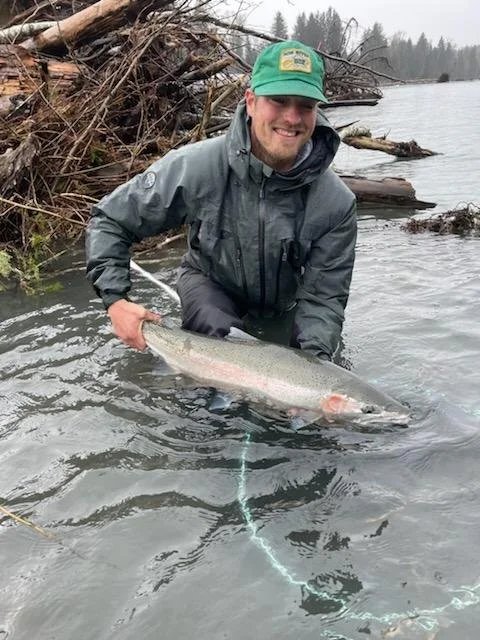
Rivers like the Hoh River and Bogachiel River see strong winter flows, creating classic conditions for this time of year.
Species Available:
Steelhead (Primary Target)
Winter steelhead are the main focus, drawing anglers from across the region. These fish are known for their strength and the challenge they present.
What to Expect:
Higher, often changing water levels
Many anglers on the river
Wet and Cold weather
Spring Fly Fishing (March – June)

Spring is a transitional season where rivers begin to stabilize and fish become more active as water temperatures rise.
On systems like the Sol Duc River and Quillayute River, anglers begin to shift focus toward different species as winter steelhead fishing winds down.
Species Available:
Coastal Cutthroat Trout
Spring Chinook Salmon
Spring offers a mix of opportunity, with coastal cutthroat providing the most consistent action, while spring Chinook present a more limited but highly rewarding option.
What to Expect:
Increasing fish activity
Variable but improving river conditions
Less fishing pressure than peak seasons
Summer Fly Fishing (June – September)

Summer brings lower, clearer water and more stable conditions across Olympic Peninsula rivers.
Rivers like the Hoh River and Sol Duc River fish very differently compared to winter and spring, offering a more predictable experience.
Species Available:
Coastal Cutthroat Trout (Primary Target)
Summer Steelhead (Select Opportunities)
Summer cutthroat fishing can be highly productive, while summer steelhead provide an additional opportunity in certain systems.
What to Expect:
Lower, clearer water conditions
More consistent day-to-day fishing
Fall Fly Fishing (September – November)
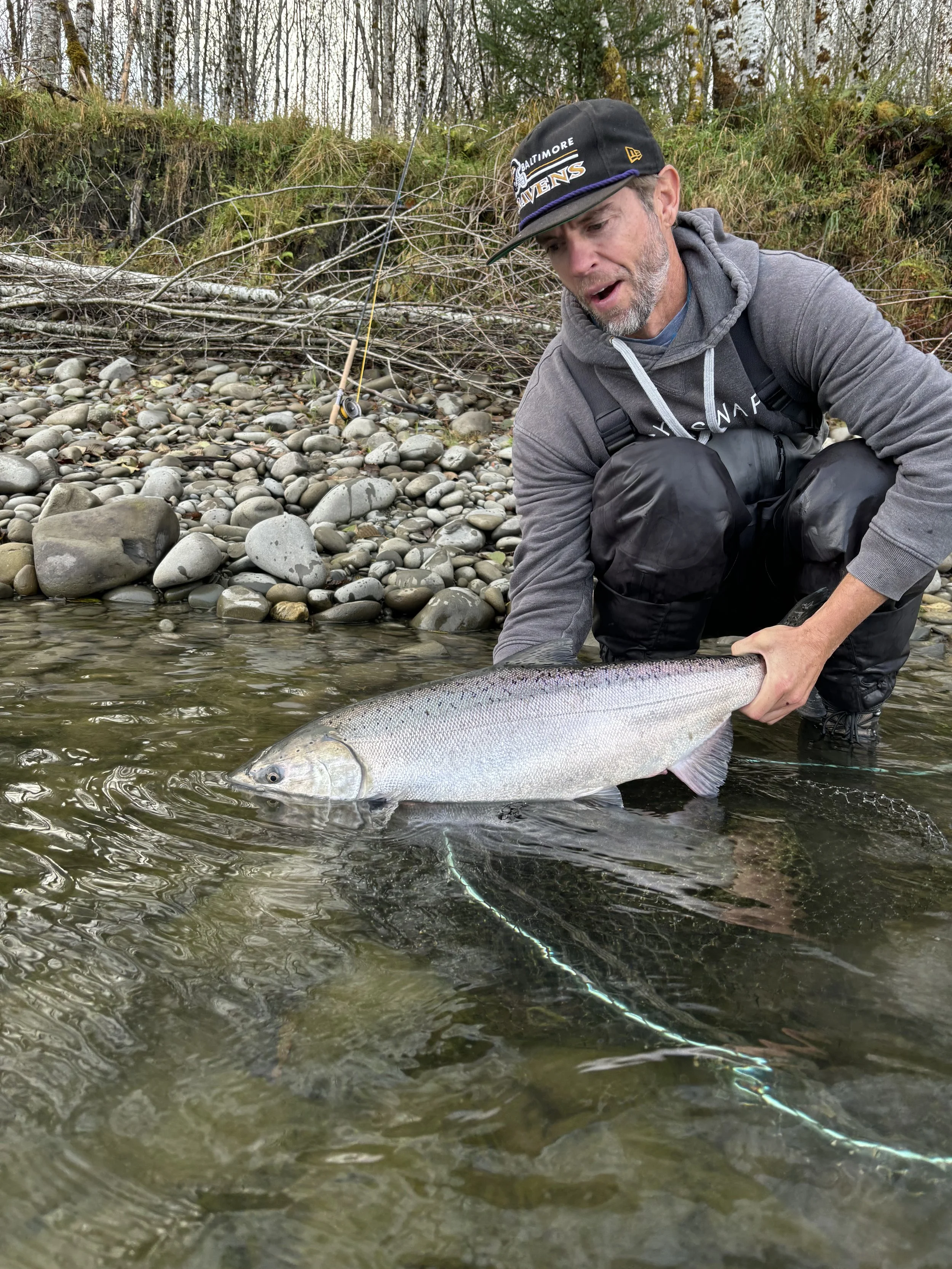
Fall is one of the most dynamic seasons in the Pacific Northwest, with changing weather patterns and increased fish movement.
Across the Olympic Peninsula, rivers like the Bogachiel River and Quillayute River see a surge in activity.
Species Available:
Salmon (Primary Focus – Multiple Species)
Coastal Cutthroat Trout
Summer Steelhead in some systems
Salmon runs dominate the fall season, bringing energy and movement into river systems. This also creates additional opportunities for other species.
What to Expect:
Increasing river flows with fall rains
Active fish movement
A wide range of fishing opportunities depending on timing
Choosing the Right Season for Your Trip
Each season offers a different experience depending on your goals:
Winter: Steelhead-focused, high angling pressure, cold
Spring: Cutthroat and Chinook opportunities, transitional conditions
Summer: Consistent cutthroat fishing with stable river conditions
Fall: Salmon-driven activity with diverse opportunities
For anglers planning a trip to the Olympic Peninsula, aligning your trip with the right season and species is critical to maximizing your time on the water.
Why the Olympic Peninsula Is a Top Destination
The Olympic Peninsula stands out as one of the premier fly fishing regions in the Pacific Northwest for several reasons:
High concentration of fishable rivers
Access to wild, native fish populations
Year-round fishing opportunities
Scenic, less-developed environments
For anglers looking to experience authentic Pacific Northwest fly fishing, this region offers unmatched variety and quality.
Planning Your Fly Fishing Trip
Success in the Pacific Northwest often comes down to preparation and timing. Before heading out, anglers should consider:
Seasonal conditions
River levels and clarity
Current regulations
Target species availability
Because conditions change quickly, having accurate and up-to-date information is critical.
Why Booking a Guided Trip Makes the Difference
Fly fishing in the Pacific Northwest can be incredibly rewarding—but it also comes with a steep learning curve. River systems are constantly changing, fish move frequently, and productive water isn’t always easy to identify.
To have the best chance at landing a fish and making the most of your time on the water, booking a guided trip with Anadromy Fly Fishing is the most effective approach.
Guided trips provide:
Real-time knowledge of river conditions
Access to productive water
Efficient use of your time on the river
A significantly higher likelihood of success
For both new and experienced anglers, guided trips offer a structured and reliable way to experience the region.
Who This Experience Is For
Fly fishing in the Pacific Northwest is ideal for:
Anglers looking to explore new water
Those interested in fishing wild river systems
Visitors to Washington seeking a guided experience
Anglers wanting to improve their success rate
Frequently Asked Questions
Is the Pacific Northwest good for fly fishing?
Yes. It offers year-round opportunities across multiple species and some of the most scenic rivers in the country.
When is the best time to fly fish in the Pacific Northwest?
Fishing is available year-round, with each season offering different opportunities depending on the species.
Do you need a guide to fish the Olympic Peninsula?
Not required, but strongly recommended for the right person.
A Region That Rewards
Fly fishing in the Pacific Northwest is about more than just catching fish—it’s about adapting to changing conditions, exploring diverse river systems, and experiencing one of the most unique fisheries in the country.
For anglers looking to maximize their time and increase their chances of success, guided trips with Anadromy Fly Fishing offer a direct path to understanding the region and finding fish on Olympic Peninsula rivers.