
Hunting Hooded Merganser: Ecology, Impact & Why It Matters on the Olympic Peninsula
Hunting Hooded Merganser: Ecology, Impact & Why It Matters on the Olympic Peninsula
Why Hooded Mergansers Are Unique
The Hooded Merganser (Lophodytes cucullatus) is one of North America’s most striking waterfowl. With its fan-shaped crest and slim, serrated bill, this small diving duck is specially adapted to hunting fish, making it different in both form and function from dabbling ducks. Wikipedia
Key traits:
They dive to catch prey, using their webbed feet to propel themselves underwater.
Their diet is heavily fish-based: small fish make up a large part of what they eat, though they also consume crustaceans and aquatic insects. Wikipedia
Hooded mergansers rely on vision when hunting — their eyes are adapted to help them see clearly underwater. All About Birds
The Importance of Hooded Mergansers on the Olympic Peninsula
On the Olympic Peninsula, hooded mergansers are more than a waterfowl species — they’re active predators in river, wetland, and estuary ecosystems. Their predation on small fish, including juvenile salmonids, has drawn attention from both hunters and conservationists.
Here’s why they matter in this region:
Predator of Juvenile Fish: Hooded mergansers feed on small fish and fish eggs, including those of salmon and steelhead.
Healthy Populations: Their numbers are stable or increasing in many parts of their range. According to population studies, they have been increasing at about ~1.5% per year.
Forested Wetland Dependence: They nest in tree cavities in forested wetlands, which are common in the Peninsula’s rivers and estuaries
Hunting Context: Given their role as fish predators, some hunters feel harvesting mergansers can relieve predation pressure on sensitive fish runs — especially in places like the Olympic Peninsula where salmon and steelhead are of ecological and economic concern.
Regulations: What Hunters Need to Know
If you’re considering hunting hooded mergansers on or near the Olympic Peninsula, here are the legal and regulatory fundamentals:
Hooded mergansers are classified under migratory waterfowl regulations.
Washington state, including the Olympic Peninsula, participates in these regulations through. WDFW
Under Washington sea duck management plans, mergansers (including hooded) are part of regulated harvest, with conservation measures in place to maintain sustainable populations.
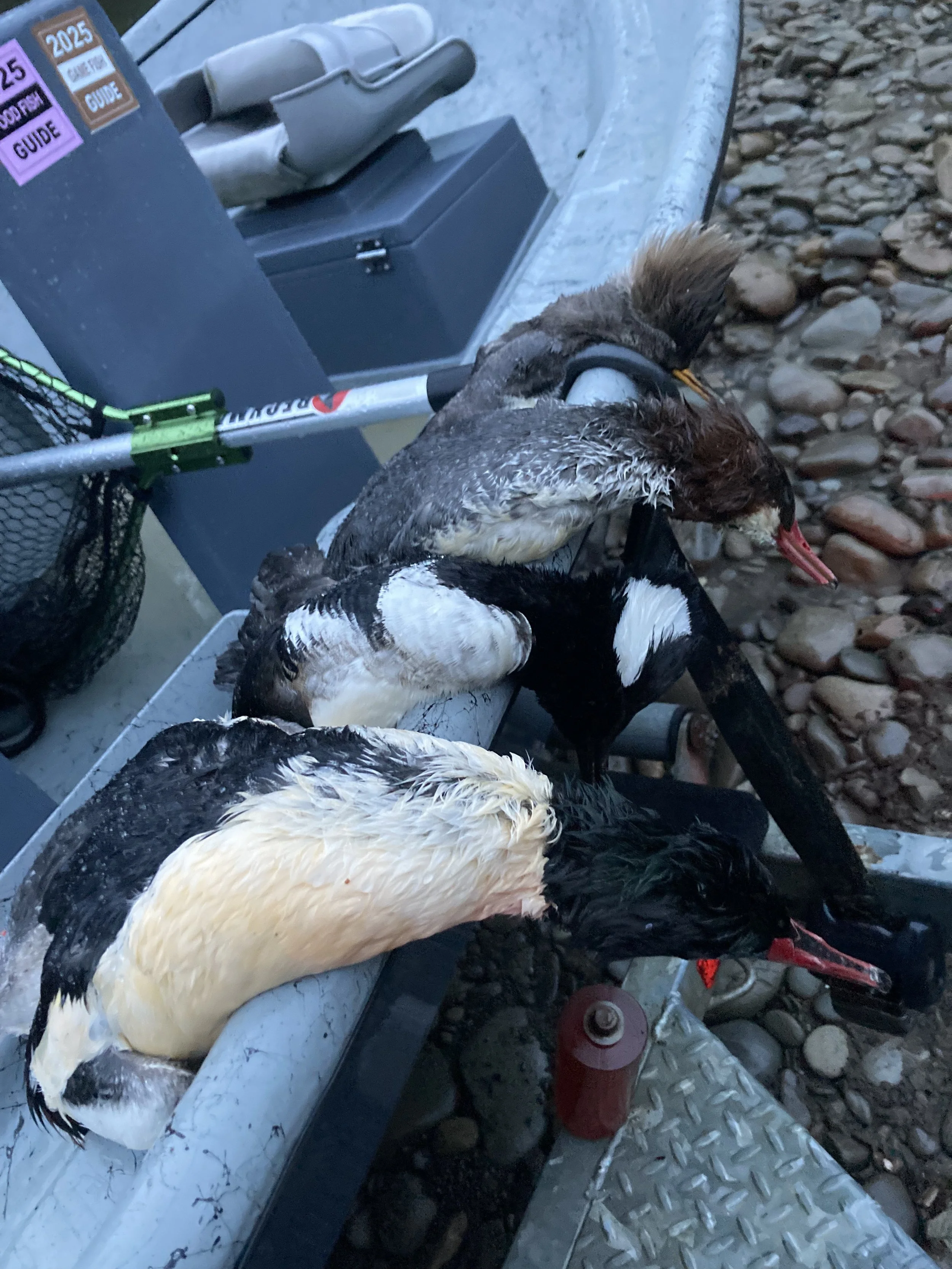
Important Note: Always check current year hunting regulations published by WDFW and the U.S. Fish & Wildlife Service — season dates, bag limits, and allowable methods can change.
Ethical & Ecological Considerations
Hunting hooded mergansers isn’t just about getting birds — there are important ethical and ecological factors to weigh.
Predation vs. Conservation: While some argue that harvesting mergansers helps reduce predation on juvenile salmonids, this must be balanced with the fact that mergansers are part of a natural ecosystem.
Sustainable Harvest: Population data suggest hooded mergansers are not currently under significant conservation threat.
Habitat Protection: Their reliance on cavity-nesting sites means that mature forests and standing dead trees are important to their reproduction. Management should ensure these habitats remain.
Pollution Risks: Because mergansers are fish-eaters, they are more exposed to bioaccumulating pollutants. This makes local water quality a factor in both bird health and the ethics of harvest.
Respect Tribal and Legal Regulations: On the Olympic Peninsula, stewardship includes respecting treaty rights, tribal regulations, and state/federal law.
How to Hunt Hooded Merganser: Tips & Tactics
If you decide to hunt hooded mergansers, here are some practical strategies:
Location Matters: Focus on forested wetlands, rivers, or estuarine zones where mergansers feed. These birds favor areas with clear water, submerged structure, and fish access.
Use Non-toxic Shot: As with all waterfowl, use non-toxic shot to minimize environmental impact.
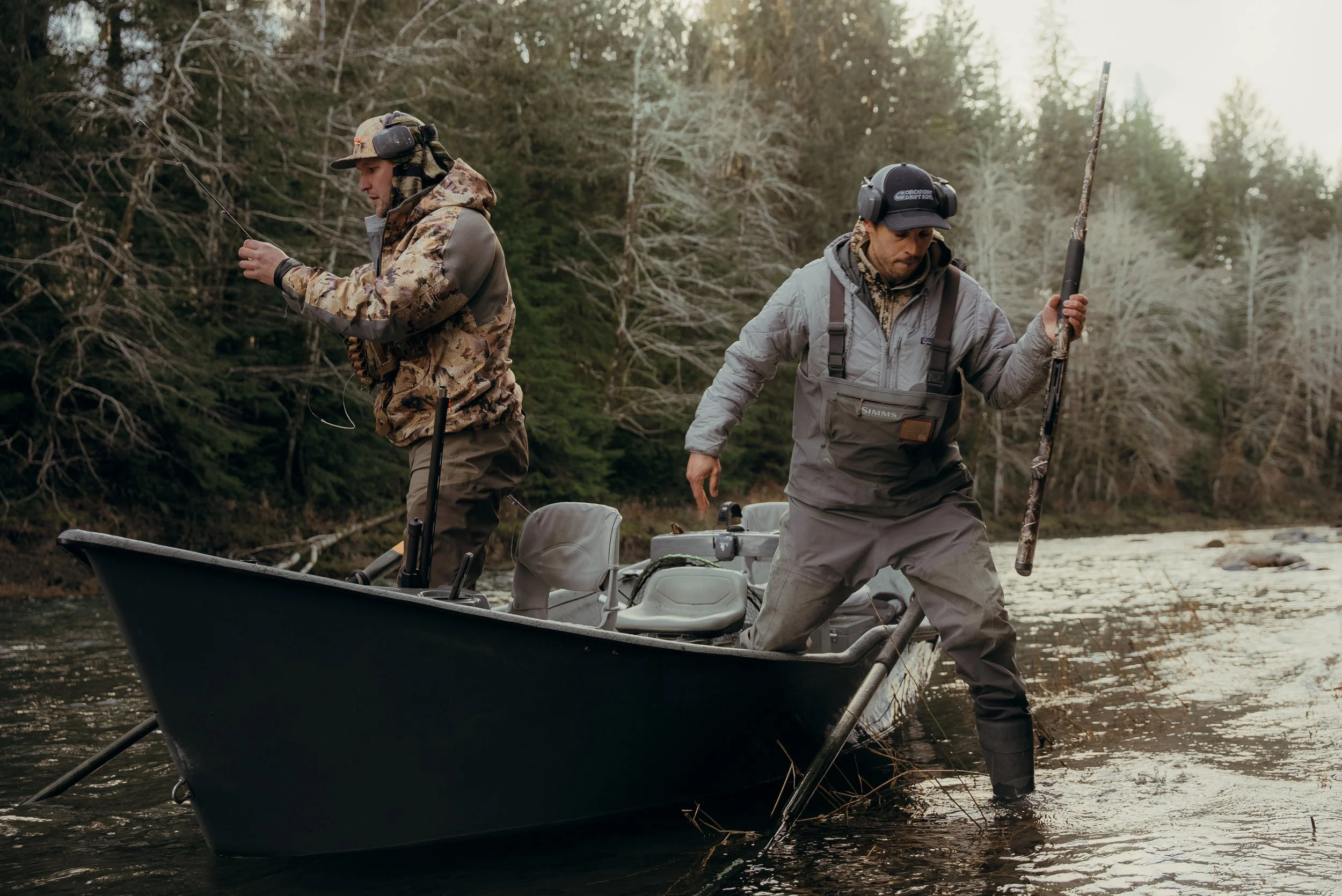
Hunt Quiet: They dive for prey, so low-disturbance approaches (quiet boats or decoys placed carefully) work best.
Decoys and Calls: Use diver duck decoys, and pair them with low-profile calls; the natural behavior of mergansers (diving and resurfacing) can be imitated.
Timing: Early season may find more mergansers in feeding zones. Watch for wintering or migrating birds in coastal bays, rivers, or beaver pond systems.
Why Some Hunters Target Hooded Mergansers on the Peninsula
Ecological Balance: Because hooded mergansers consume fish, especially small or juvenile fish, some see harvesting them as a way to help mitigate predation on vulnerable native salmonids.
Sustainable Game: Their populations are healthy, and regulated harvest can be part of conservation-based hunting.
Cultural & Traditional Use: For some waterfowl hunters on the Peninsula, mergansers are part of traditional migratory bird harvest seasons.
Unique Hunting Experience: These are diving ducks, not puddle ducks: hunting them requires different skills, and their slender shape and diving behavior make them a challenging and rewarding target.
Final Thoughts
Hunting hooded mergansers on the Olympic Peninsula is more than just a hunt — it’s a chance to engage in wildlife management, ecological responsibility, and tradition. These small, specialized ducks fill a niche as efficient predators of fish. While they are not endangered, ethically harvesting them during legal seasons can contribute to balancing predator-prey dynamics in waterways that are also critical to salmon and steelhead.
That said, stewardship should always come first: know the regulations, act ethically, and respect both the bird and the fragile ecosystems they rely on. If done responsibly, merganser hunting can be a valid part of sustainable waterfowl management — especially on the richly biodiverse Olympic Peninsula.