
Steelhead Spey Flies: The Complete Guide to Essential Patterns for Swinging Up Steelhead
Swinging flies for steelhead is one of the most addicting—and humbling—styles of fly fishing. It’s methodical, demanding, and rooted in tradition, but modern Spey flies have evolved dramatically from the sparse classics of the early days. Whether you’re chasing winter chromers on the Hoh or summer-runs on the Deschutes, using the right Spey flies matter.

This guide cuts through the fluff. Below is a clear breakdown of the most productive Spey flies for steelhead, why they work, and exactly when to fish them.
Why Spey Flies Matter for Steelhead
Spey flies aren’t delicate insects—they’re designed to be swung under tension in strong current. They must create movement, hold a clean silhouette, and stay visible across a wide range of water conditions. The best flies check three boxes:
1. Profile
Winter flies need a big presence. Summer flies need to be sparse and much smaller. Profile influences how much water the fly pushes and how noticeable it is as it swings.
2. Motion
Marabou, ostrich, rhea, rabbit—these materials pulse effortlessly. Steelhead respond more to movement than realism.
3. Silhouette
Steelhead aren’t feeding in freshwater. They’re reacting. Successful flies offer a shape that triggers aggression or curiosity.
Modern Spey flies are confidence tools. They don’t mimic specific prey—they present an attitude steelhead are willing to hit.
The Best Spey Steelhead Flies
Below are the patterns that consistently move fish across the Pacific Northwest and beyond.
1. Intruder Fly
Best for: Winter, cold water, stained flows.
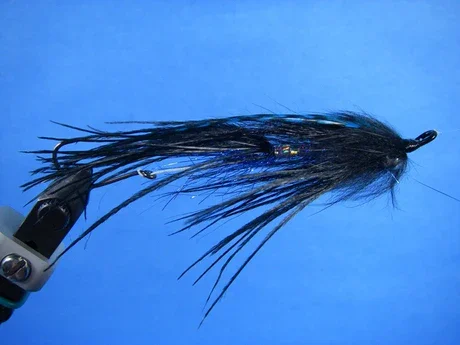
The modern standard. The Intruder’s open body, station-style construction, and long fibers create maximum movement without bulk.
Why It Works
Huge profile with minimal weight
Excellent movement in slow and fast swings
Trailer hook dramatically improves hookup-to-land ratio
Works across a range of water visibilities
Top Colors
Black & Blue (king of winter)
Pink & Orange
Black & Purple
Chartreuse variations
2. Marabou Tube Fly
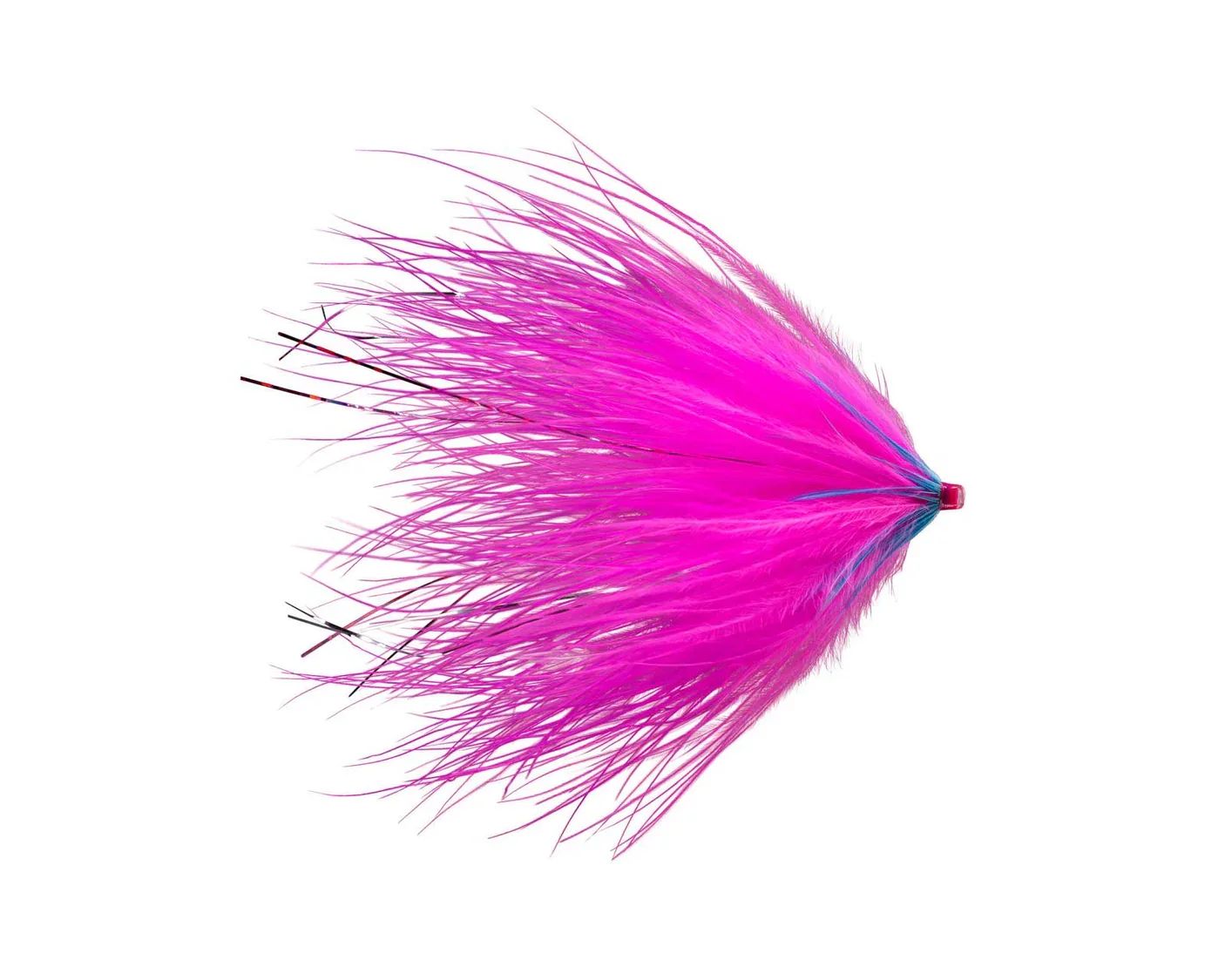
Best for: Versatile winter conditions and easy depth control.
Tube flies changed the game by allowing anglers to swap hooks, add cones or weights, and extend the lifespan of the pattern.
Why It Works
Breathes even in slow currents
Casts easy on Skagit setups
Highly customizable with different weights
Clean silhouette that stays visible
Top Colors
Black/Blue, Pink, Purple, Chartreuse, and UV accents.
Marabou tubes are perfect when fish demand movement without the full bulk of an Intruder.
3. Hoh Bo Spey
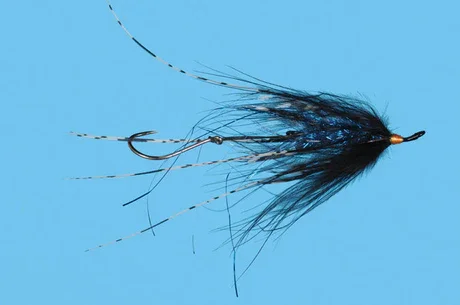
Best for: Moderate winter flows.
Another Jerry French creation, the Hoh Bo Spey is a lighter, sparser intruder-style fly with tons of mobility.
Why It Works
More subtle than an Intruder
Moves incredibly well even on slow swings
Ideal when rivers start dropping into shape
Best Colors
Black/Blue
Black/Purple
Pink
Olive for clear water
This fly is a staple on the Hoh, Bogachiel, and other Olympic Peninsula rivers.
4. Bunny Leeches (String Leeches)
Best for: Cold, slow water and deep holding lies.

Rabbit strips create unmatched lifelike motion. Even when barely swinging, the material moves enough to entice lethargic steelhead.
Why They Work
Perfect for slow winter swings
Heavy silhouette pushes water
Trailer hooks help with soft winter grabs
Top Colors
Black, Purple, Black/Blue, and Pink/Orange for big water.
When steelhead hunker down, a bunny leech is hard to beat.
5. General Practitioner (GP)

Best for: Classic winter conditions and stable flows.
This old-school pattern still earns its place. The GP is flashy, buggy, and excellent in slightly off-color water.
Why It Works
Bright, attention-grabbing silhouette
A great change-up fly when fish ignore marabou or intruders
Ideal for medium clarity conditions
Top Colors
Orange (classic), Red, and Black GP variants.
The GP is an underrated producer, especially late winter.
6. Prawn & Shrimp Spey Patterns
Best for: Late winter and spring steelhead.

Steelhead passing through estuaries feed on prawns, so these patterns carry that same triggering shape into freshwater.
Why They Work
Slim, elongated profile
Excellent for warmer water when fish are more active
Great follow-up fly after a missed grab
Top Colors
Pink, Orange, and Tan.
These flies are lethal in the spring transition.
7. Traditional Summer Spey Flies
Best for: Summer and early fall steelhead.


Summer steelhead want something sparse and subtle. They’re in better shape, more willing to move, and more easily spooked.
Top Patterns
Greaseliner
Purple Peril
Skunk
Green Butt Skunk
Freight Train
Silver Hilton
Why They Work
Low-profile design
Perfect for low, clear summer water
Swim well near the surface
Sizes
#4–8, with smaller being better in clear conditions.
These classics are still unmatched for summer-runs.
8. Muddlers (Low-Water & Deer Hair Variants)
Best for: Surface or near-surface fishing.
Few moments in steelheading compare to a surface grab. Muddlers create a wake and push water without being too intrusive.
Why They Work
Versatile: fish them greased, wet, or skated
Great for sight-fishing summer steelhead
Ideal for tailouts and shallow riffles
Top Colors
Natural deer hair, Purple, and Black Muddler variations.
A must-have for anyone targeting surface-oriented steelhead.
How to Choose the Right Spey Steelhead Fly
Here’s the practical breakdown anglers actually use
Winter Steelhead (33–45°F)
Use:
Just be confident.
Rules:
Seriously, that is it, be confident.
Summer & Fall Steelhead (50–60°F+)
Use:
Confidence
Rules:
Yep, you guessed it. Confidence
Swinging Technique Tips That Make a Difference
1. Depth before fly change
Most anglers switch flies too often. Switch sink tips first. Depth matters more than pattern.
2. Confidence flies matter
If you believe in a fly, you’ll fish it better. That changes everything.
3. Read structure, not weather
Steelhead hold in predictable lanes. Fish those relentlessly.
Final Thoughts
Steelhead Spey flies aren’t about matching a hatch—they’re tools that help you show confidence and consistency in tough fishing conditions. Winter demands larger, darker profiles with water-pushing movement. Summer rewards subtlety, tradition, and surface presentations. The flies listed above cover every scenario you’ll encounter on steelhead rivers across the Pacific Northwest.
If your presentation is solid and your fly is suited to the conditions, you’re in the game. Steelheading is a grind, but the right Spey flies stack the deck in your favor.