
Steelhead Winter Flies: Proven Patterns for Cold-Water Success
Winter steelheading is a different game. Cold water slows fish down, river levels fluctuate constantly, and steelhead often hug the bottom or soft edges where conserving energy matters more than aggression. Fly selection during winter isn’t about matching trends or throwing oversized patterns blindly — it’s about understanding water temperature, visibility, depth, and fish behavior.
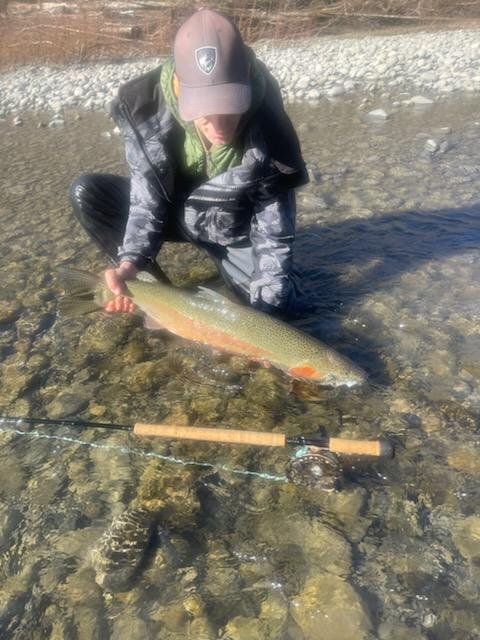
This guide breaks down steelhead winter flies that consistently perform during the coldest months, why they work, and when to fish them. No fluff, no hype — just patterns that earn their keep on winter water.
Understanding Winter Steelhead Behavior
Before talking flies, it’s important to understand what winter steelhead are doing differently than their summer-run counterparts.
In winter:
Water temperatures are often below 45°F
Steelhead hold tighter to structure and slower seams
They can react more selectively
Visibility can change overnight due to rain or snowmelt
This means winter flies must:
Be easy to see
Offer a strong silhouette
Move with minimal animation
Sink efficiently without excessive bulk
Big doesn’t always mean better — effective does.
Intruder-Style Flies: Winter Staples
Intruder-style patterns dominate winter steelhead fly boxes for good reason. They provide profile without excessive weight and allow hooks to ride cleanly behind the fly.
Why Intruders Work in Winter
Large silhouette without spooking pressured fish
Excellent movement at slow swing speeds
Easy to adjust depth using sink tips instead of fly weight
Top Winter Fly Colors
Black & Blue – The gold standard for low light and cold water
Purple & Black – Excellent in green or slightly colored flows
Pink & Orange – Best when water has color or fish are aggressive
Chartreuse Accents – Useful in glacial or tannin-stained water
Traditional Winter Steelhead Flies
Sparse, classic steelhead flies still matter — especially when fish have seen every modern pattern drifting through the run.
Effective Traditional Patterns
Purple Peril
Freight Train
General Practitioner
Black Doctor
Green Butt Skunk
These patterns excel when:
Water clarity is good
Fish are holding deep but visible
Pressure is high and fish are wary
Fished on longer leaders with controlled swing speed, traditional flies often trigger steelhead that refuse bulkier patterns.
Dark Flies for Cold, Clear Water
Contrary to popular belief, winter steelhead don’t always want bright colors. In clear, cold water, dark flies with strong contrast are often more effective.
Best dark winter colors:
Black
Dark purple
Black with blue flash
Black with subtle red or orange accents
Dark flies create a sharp silhouette against winter light conditions, especially in deeper runs where visibility drops quickly.
Bright Flies for Dirty or off color Water
When water color increases, steelhead rely less on sight and more on presence. This is where brighter winter steelhead flies earn their place.
Productive bright patterns include:
Pink intruders
Orange and hot coral flies
Chartreuse and white combinations
Pink with black contrast
Bright flies are best when:
off-color
Snowmelt reduces visibility
Fish are newly entering the system
The key is contrast, not just brightness.
Weighted vs Unweighted Winter Flies
Most winter steelhead flies are unweighted, allowing anglers to control depth using sink tips. This keeps flies moving naturally through the swing.
When Weighted Flies Make Sense
Extremely cold water (<40°F)
Very slow, deep holding water
Short swings in pocket water
However, over-weighting flies often kills movement and results in fewer grabs. Depth control should come from your line system, not excessive dumbbell eyes.
Fly Size Matters (But Not How You Think)
Winter flies don’t need to be massive. Steelhead in cold water prefer:
Compact profiles
Controlled movement
Predictable swing paths
Matching Flies to Conditions
Here’s a simple breakdown to keep fly choice honest:
Condition: Cold, clear water
Best Fly Type: Dark traditional or sparse intruder
Condition: Green winter flows
Best Fly Type: Purple/black intruders
Condition: High, dirty water
Best Fly Type: Pink, orange, chartreuse intruders
Condition: Heavy pressure
Best Fly Type: Classic sparse patterns
Condition: Deep slow runs
Best Fly Type: Larger silhouette, minimal flash
Fly choice doesn’t replace good water coverage or proper depth — it complements it.
Final Thoughts
Steelhead winter flies aren’t about trends or overcomplication. They’re about understanding cold water, conserving energy fish, and putting a fly in the right place at the right speed. Whether you prefer modern intruders or classic patterns, success in winter comes from discipline, patience, and honest fly selection.
If your fly swings clean, stays deep, and shows the fish something worth reacting to — you’re doing it right. Winter steelhead don’t hand out freebies, but when it comes together, the grab makes every frozen cast worth it.
Cold water. Slow swing. One pull.
Transform your fishing dreams into reality with Anadromy Fly Fishing. Reach out today to book your guided adventure and explore the wonders of the Olympic Peninsula!