
Lake Fly Fishing Flies: Proven Patterns for Washington Lakes
Choosing the right lake fly fishing flies can dramatically increase your success on stillwater. Unlike river fishing, where current creates movement, lake fishing requires intentional presentation, depth control, and fly selection that matches natural food sources.
Across Washington — especially alpine and lowland lakes near the Olympic Peninsula — trout feed heavily on chironomids, leeches, baitfish, scuds, and terrestrials. Understanding when and why to use each fly is what separates consistent anglers from occasional luck.
Why Lake Fly Selection Is Different Than Rivers
In lakes, fish cruise and suspend at specific depths. There’s no current to animate your fly. That means:
Depth matters more
Retrieve speed matters
Fly profile must imitate natural food
Subtle movement often outperforms flashy patterns
Stillwater rewards patience and precision.
Best Lake Fly Fishing Flies
1. Chironomids (Midge Patterns)
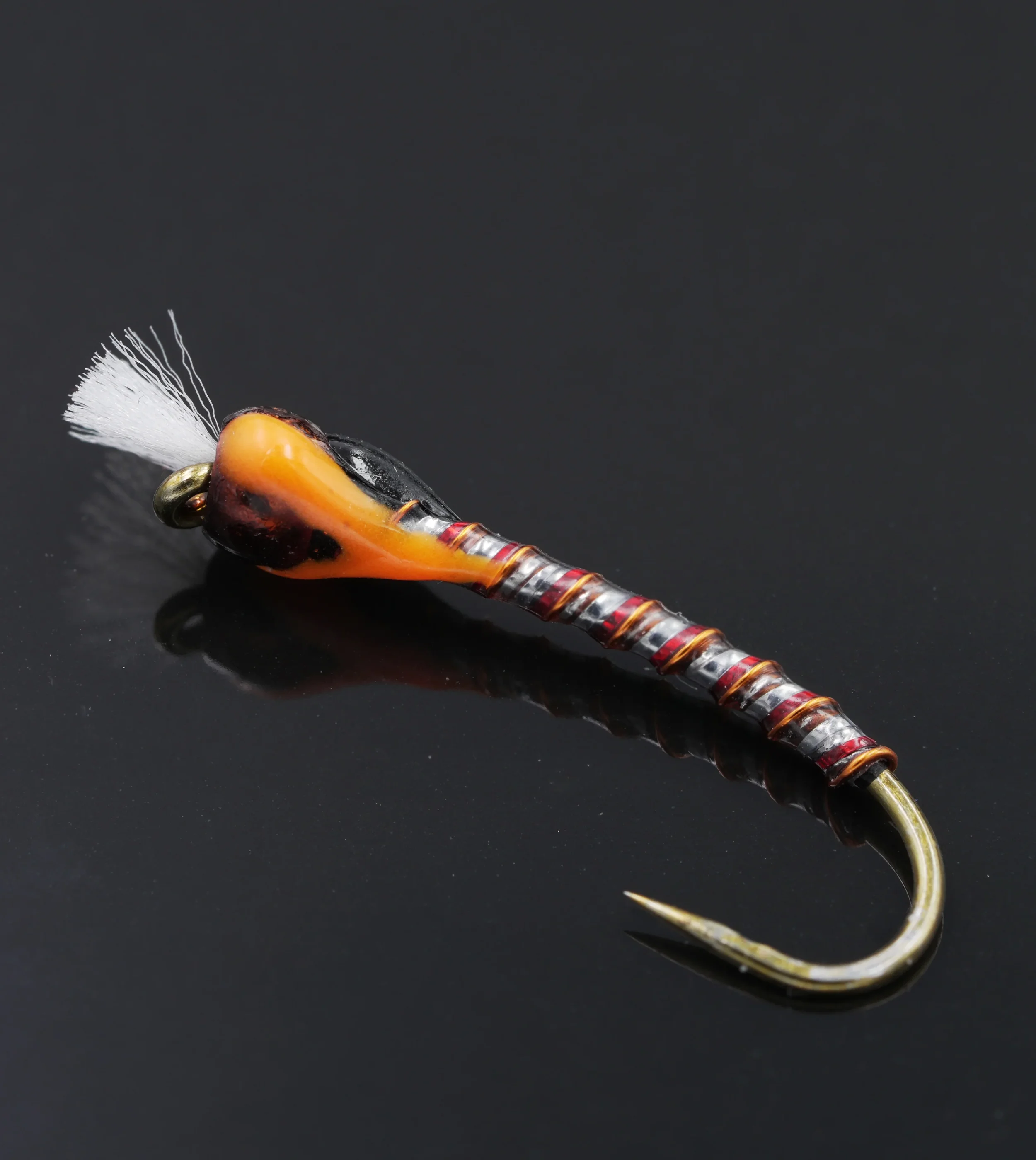
Best For: Spring through early summer
Depth: Suspended under indicator
Chironomids are the number one food source in most lakes. Fishing them at the correct depth — often just off the bottom — consistently produces trout.
Popular colors:
Black/red
Olive
Chromie (silver/black)
2. Balanced Leeches & Woolly Buggers

Best For: Year-round
Depth: Slow retrieve near bottom or mid-column
Leeches are staple forage. In colder water, slow and steady wins. In warmer months, vary retrieve speed.
Black and olive dominate most Washington lakes.
3. Damsel Nymphs
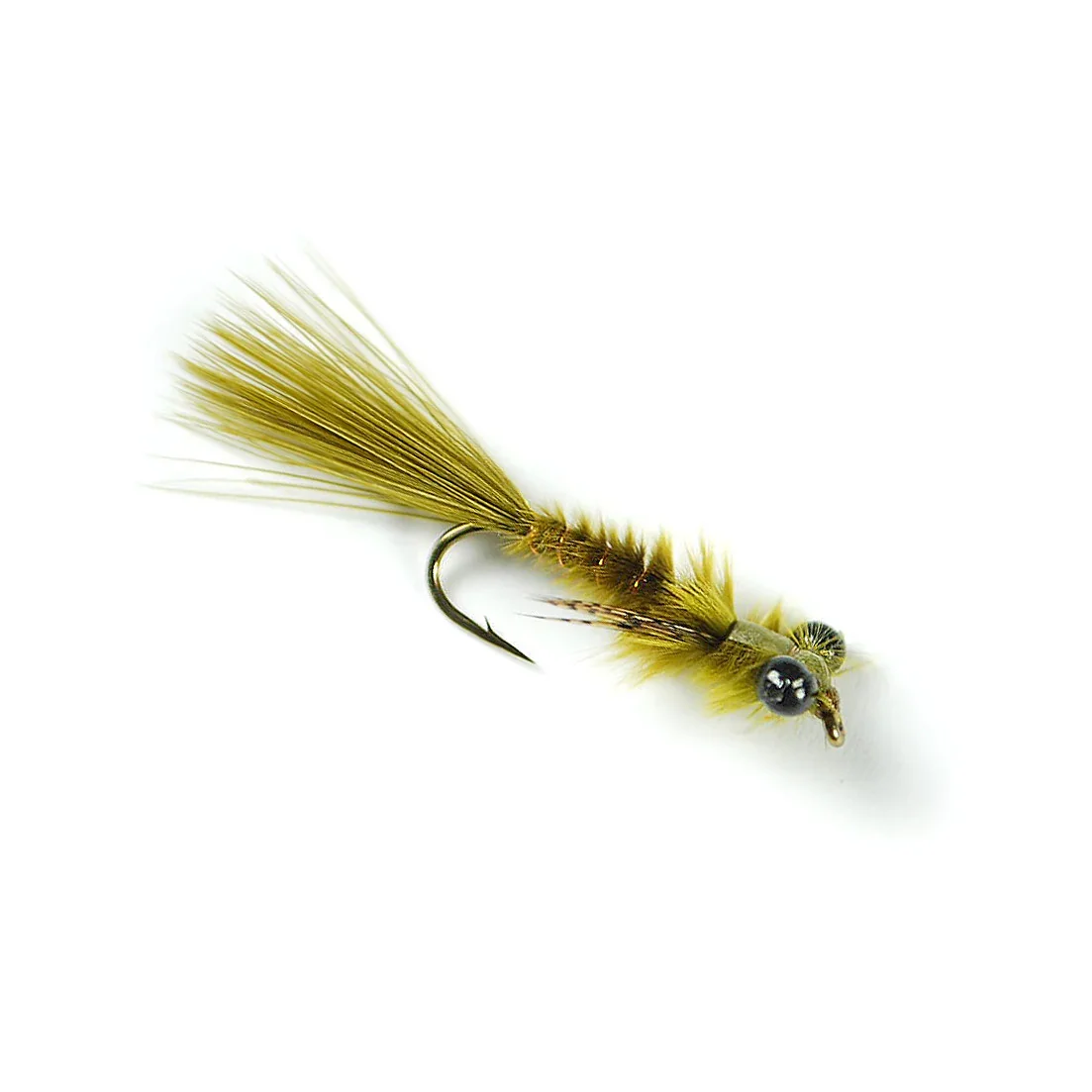
Best For: Late spring and early summer
When damsels migrate toward shore to hatch, trout patrol aggressively. A slow hand-twist retrieve mimics natural swimming motion.
4. Callibaetis & Mayfly Patterns
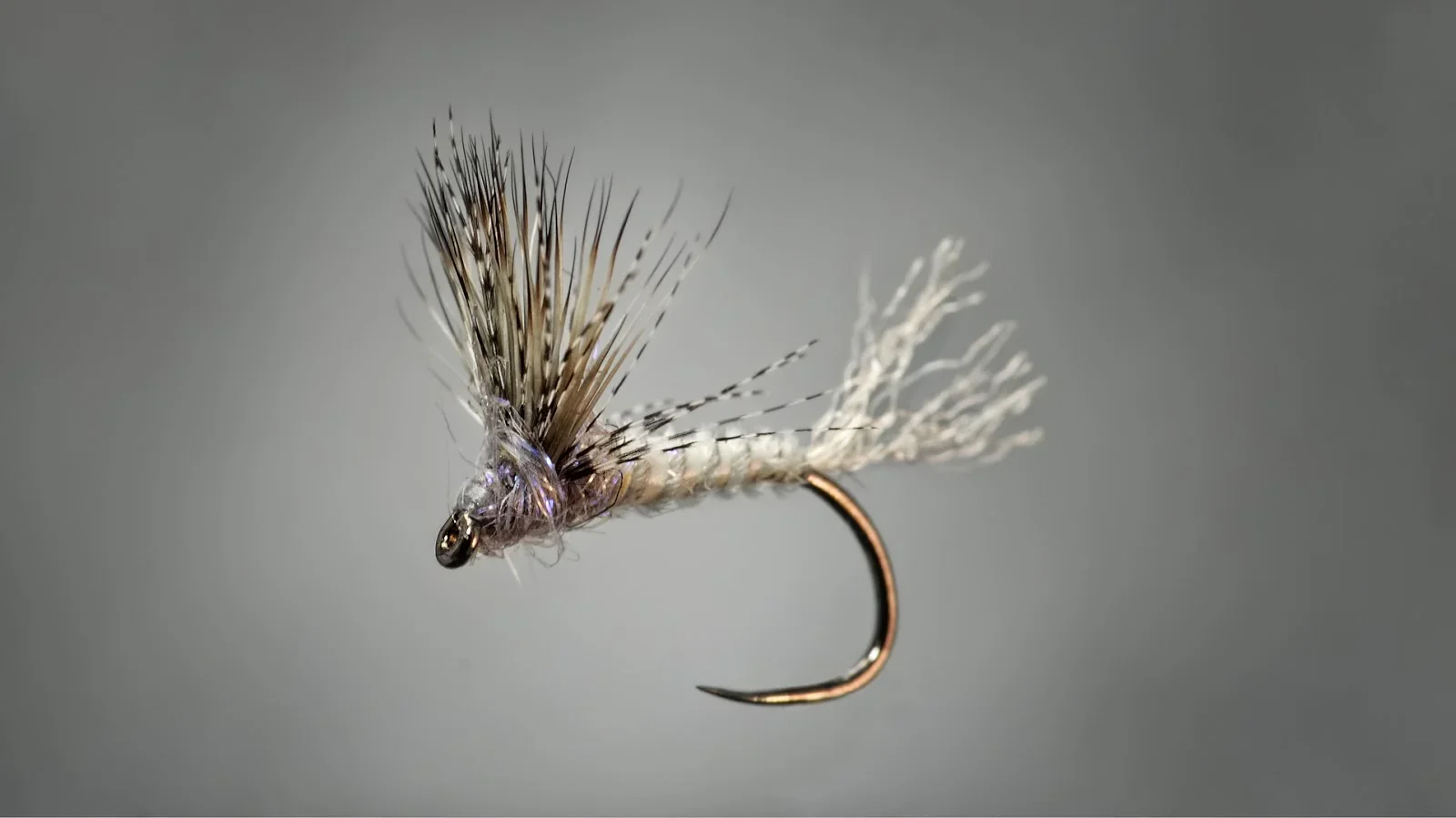
Best For: Summer hatches
Callibaetis hatches can bring trout to the surface. Having both nymph and dry versions is critical during active hatches.
5. Baitfish & Streamer Patterns
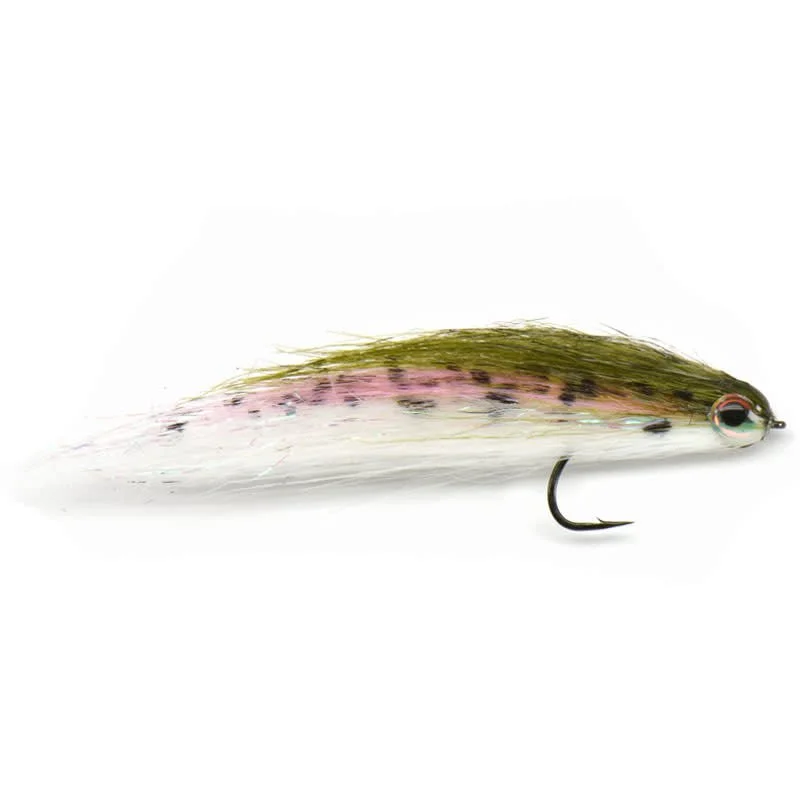
Best For: Fall and trophy trout
Larger trout often key in on baitfish. Streamers shine in low light conditions and during aggressive feeding windows.
Seasonal Fly Selection for Washington Lakes
Spring
Chironomids dominate
Balanced leeches
Slow presentations
Summer
Damsel nymphs
Callibaetis
Terrestrials (ants, beetles)
Fall
Streamers
Leeches
Larger profiles
Winter
Slow leech presentations
Deep chironomids
Depth Control: The Most Overlooked Factor
Most anglers change flies when they should change depth.
Lake trout often suspend:
3–5 feet below surface in spring
10–20 feet deep in summer heat
Near bottom in winter
If you’re not getting takes, adjust depth before switching patterns.
Presentation Tips for Lake Fly Fishing
Use an indicator for precise depth control
Try a slow hand-twist retrieve
Vary retrieve cadence
Fish structure: drop-offs, weed edges, shoals
Target low-light windows
Stillwater fishing rewards methodical coverage.
Lake Fly Fishing on the Olympic Peninsula
While many anglers focus on rivers like the Hoh River or Sol Duc River for steelhead, Washington lakes offer excellent trout fishing opportunities throughout the year.
For anglers looking to diversify beyond river fishing, stillwater trips can provide consistent action — especially in spring and early summer.
Frequently Asked Questions
What are the best lake fly fishing flies?
Chironomids, leeches, damsel nymphs, and Callibaetis patterns are among the most productive.
What color works best?
Black, olive, and natural tones are reliable in most Washington lakes.
How deep should I fish in lakes?
Depth varies seasonally. Adjust before changing flies.
Final Thoughts: Match Depth Before Pattern
Lake fly fishing flies matter — but depth and presentation matter more. Trout in stillwater environments respond to natural movement and accurate depth control.
If you’re looking to explore Washington lakes with a more strategic approach, guided trips and seasonal availability can provide insight into current conditions and productive techniques.