
Steelhead Flies For Swinging: Proven Patterns for Olympic Peninsula Rivers
If you’re targeting winter or summer runs on the Olympic Peninsula, choosing the right steelhead flies for swinging can be the difference between a grab and a long quiet day. Swinging flies is one of the most effective and rewarding techniques for pursuing steelhead in rivers like the Hoh River, Sol Duc River, and Bogachiel River.
Steelhead are aggressive, territorial, and responsive to movement. When conditions line up, a properly presented swung fly can trigger explosive takes.
In this guide, we’ll break down:
The best steelhead flies for swinging
Seasonal fly selection
How water conditions affect pattern choice
Presentation tips
What we use locally on guided trips
Why Swinging Flies Works for Steelhead
Swinging works because steelhead often respond to movement rather than hunger. A fly moving broadside across the current creates profile, pulse, and contrast — all trigger points.
On Peninsula rivers with classic tailouts, bucket seams, and walking-speed runs, swinging flies is ideal. Whether using a two-handed Spey rod or a single-hand rod with sink tip, the technique stays consistent:
Cast across → Mend → Let it swing → Step down → Repeat.
Best Steelhead Flies For Swinging (Proven Patterns)
Below are reliable patterns that consistently produce fish in Washington waters.
1. Intruder-Style Flies (Winter Workhorse)
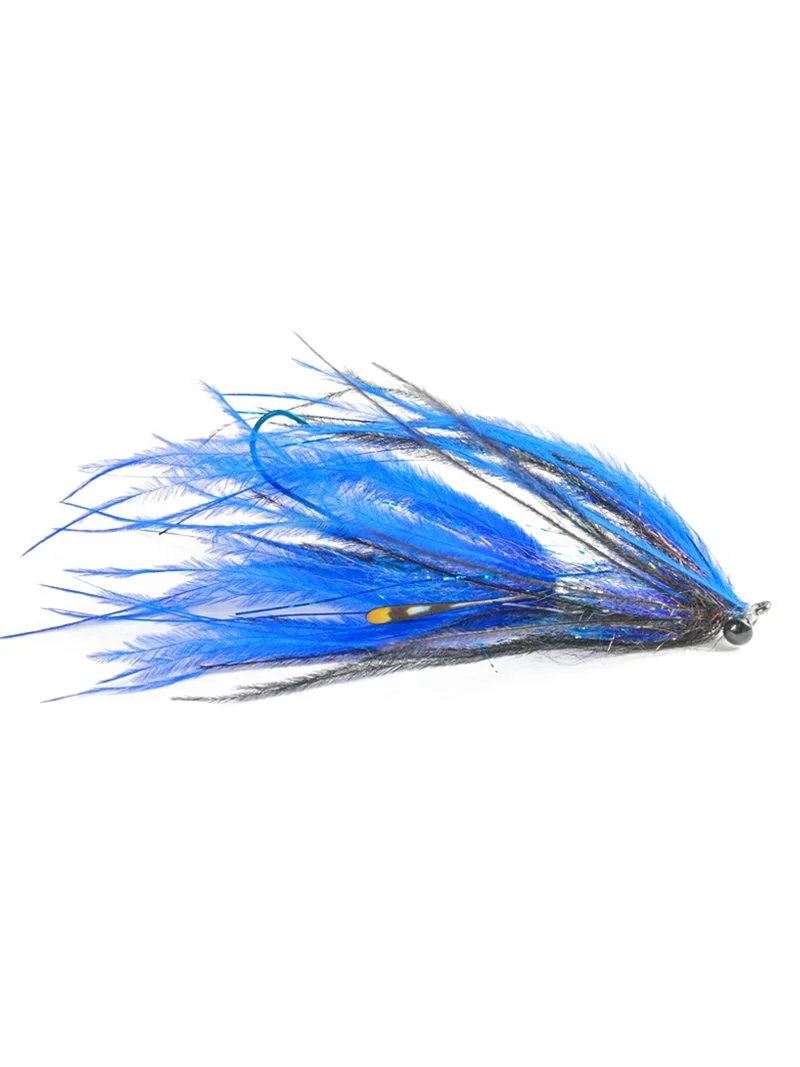
Best For: Cold water, higher flows
Size: 2–4 inches
Colors: Black/blue, pink, orange, purple
Intruders push water. They create movement even at slow swing speeds — perfect for winter steelhead in 38–45°F water. On rivers like the Hoh after rain, black and blue is hard to beat.
2. Traditional Hairwing & Marabou Patterns
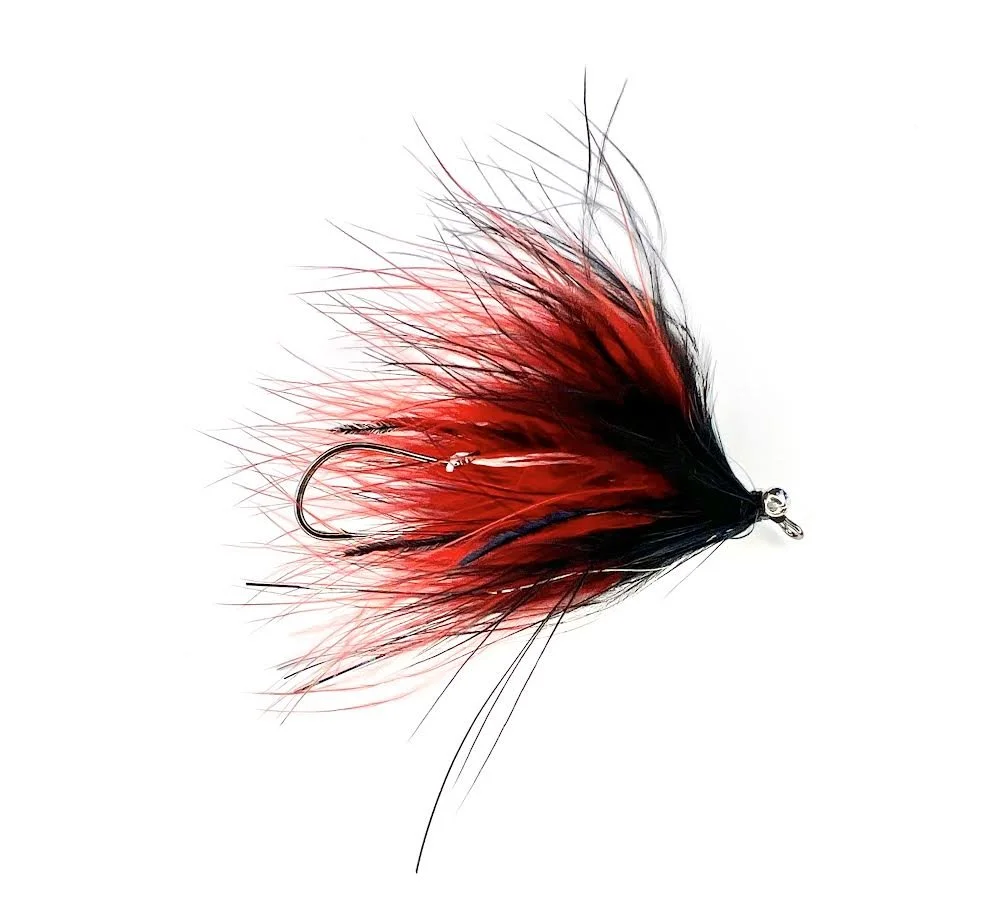
Best For: Moderate flows, clear water
These flies offer a slimmer silhouette and softer movement. When water drops and clears on the Sol Duc, downsizing can make a difference.
3. Skagit Leeches & Simple Profiles
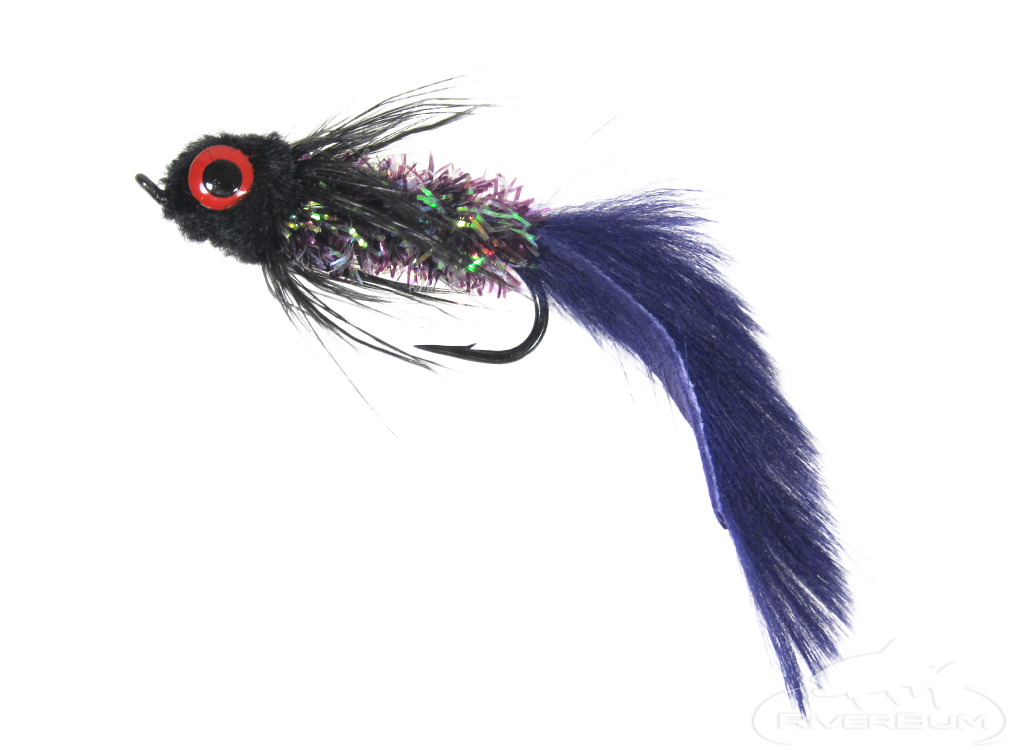
Best For: Versatility
Sometimes less is more. A black and purple leech with subtle flash consistently produces grabs when fish are present.
Seasonal Steelhead Fly Selection
Winter Steelhead (December–March)
Larger flies (3–4 inches)
Bold colors
Heavy tips (T-11 to T-14)
Slow swing
Water is colder and often higher. Fish sit deeper. Profile and contrast matter most.
Summer Steelhead (July–September)
Smaller flies (1.5–2.5 inches)
Sparse patterns
Lighter tips or even floating lines
Faster swing
In clear summer water, subtle movement outperforms oversized flies.
How Water Conditions Change Your Fly Choice
High & Dirty Water
Go big, dark, and loud. Black/blue or chartreuse.
Dropping & Clearing Water
Downsize. Purple or natural tones.
Low & Clear
Smaller, sparse patterns. Light tips.
Steelhead aren’t complicated — but presentation and confidence matter.
Presentation Tips That Matter More Than Pattern
You could have the perfect fly and still miss fish if your swing is off.
Maintain tension throughout the swing
Fish slightly slower than the current
Target walking-speed runs
Cover water efficiently
Swinging is a numbers game. Covering prime water consistently beats changing flies every 10 minutes.
What Flies We Use on the Olympic Peninsula
On guided trips with Anadromy Fly Fishing, our core steelhead flies for swinging typically include:
Black/Blue Intruders
Pink Intruders during winter push
Purple Skagit Leeches
Sparse summer marabou patterns
We match fly size to river level first — color second.
Frequently Asked Questions
What is the best color steelhead fly for swinging?
Black and blue is the most consistent producer in winter. Pink excels during higher, off-color flows.
How big should steelhead flies be?
Winter: 3–4 inches
Summer: 1.5–2.5 inches
Do steelhead actually eat swung flies?
They rarely feed in freshwater. Most strikes are territorial or aggression-based responses.
Final Thoughts: Confidence + Coverage = Steelhead
Choosing the right steelhead flies for swinging matters — but not as much as presentation and water selection. Focus on swing speed, fish prime runs thoroughly, and trust proven patterns.
If you want to shorten the learning curve and fish productive water on the Olympic Peninsula, guided trips are available throughout winter and summer steelhead seasons.
Steelhead reward persistence — and when it happens, the grab is unforgettable.
Transform your fishing dreams into reality with Anadromy Fly Fishing.
Reach out today to book your guided adventure and explore the wonders of the Olympic Peninsula!